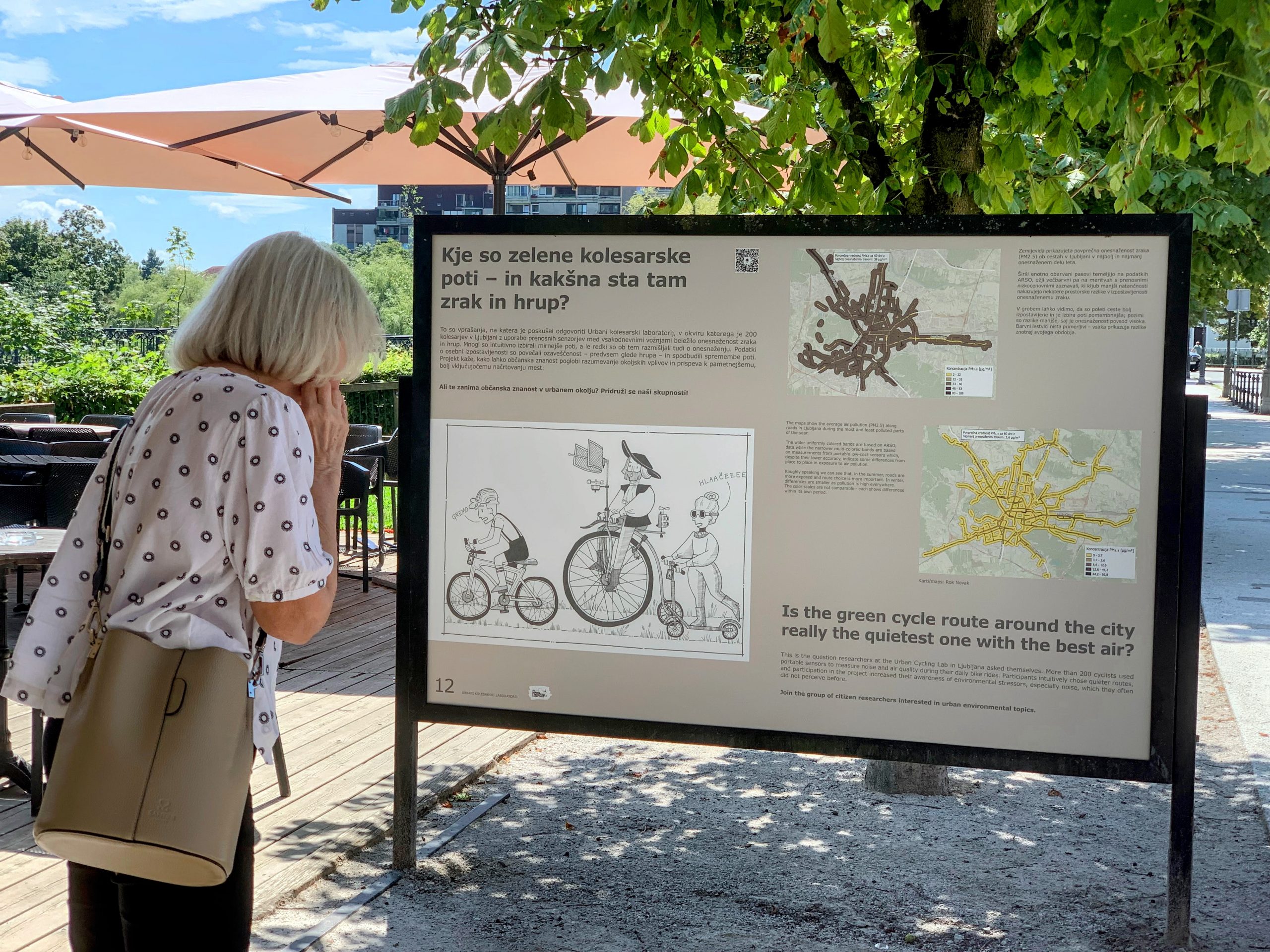
In September 2025, the Urban Cycling Lab Ljubljana (UKLL) marked a key transition point, combining participatory evaluation of results with broader societal impact and future project development. A central activity was the organisation of a co-creation workshop, where participants reviewed preliminary findings, explored data visualisations, and contributed feedback on how results are presented and interpreted. This step represents a critical phase in the Living Lab process, ensuring that participants are actively involved not only in data collection, but also in shaping the understanding and usability of results.
The workshop provided valuable insights into how data outputs—such as graphs and comparative tools—can be improved to better support user understanding and decision-making. Participant feedback will directly inform the development of the results interface and future communication strategies.
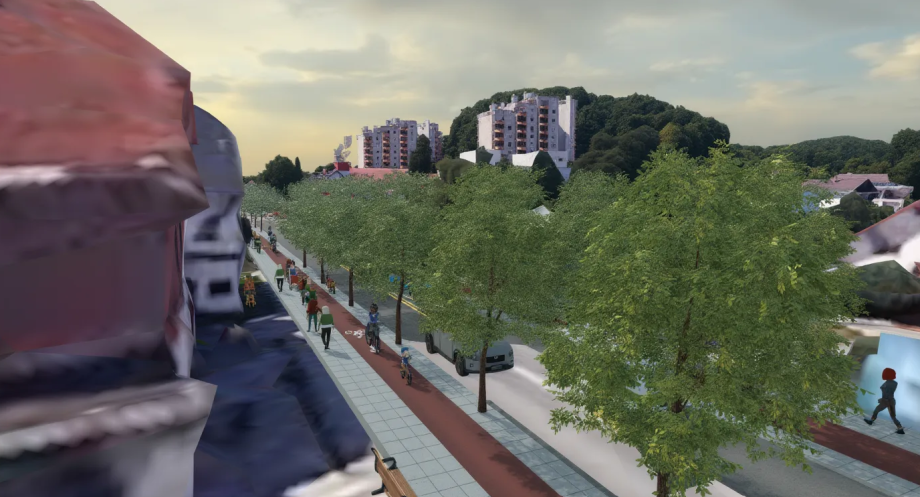
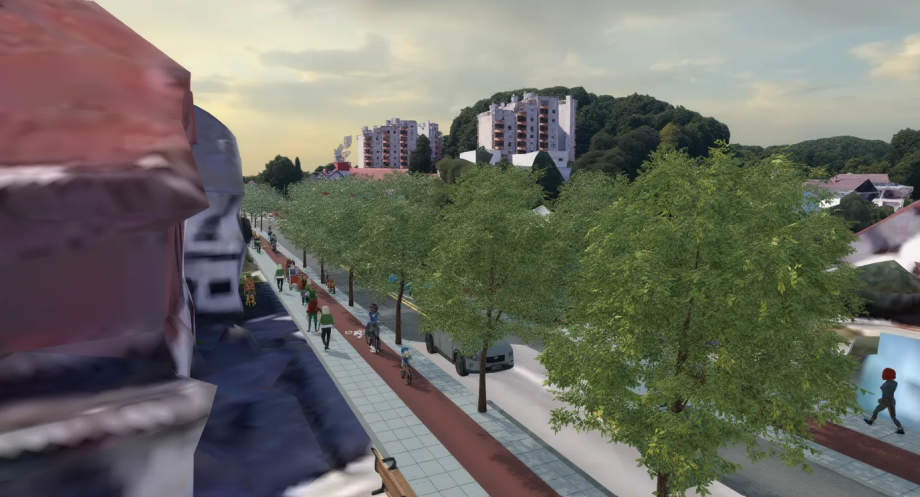
At the same time, the project connects to broader urban policy and community initiatives. A local grassroots initiative advocating for the greening of a major cycling corridor in Črnuče highlights the growing alignment between citizen-driven actions and the objectives of the Urban Cycling Lab. Such initiatives reinforce the importance of integrating environmental quality, safety, and user experience into urban mobility planning.
September also marked the formal conclusion of the URBANOME project. However, the Urban Cycling Lab Ljubljana continues beyond the project framework, building on the extensive dataset and strong participant community developed over the past years. The focus now shifts towards detailed analysis, knowledge translation, and the communication of findings to both the public and policymakers.
Importantly, the experience and infrastructure developed through UKLL are being extended into new initiatives, including the ENVESOME project, which will further investigate urban environmental exposure with a focus on emerging pollutants such as ultrafine particles. This continuity demonstrates the long-term value of the Living Lab approach, where knowledge, tools, and communities persist beyond individual project cycles.
The full newsletter is available at: https://mailchi.mp/159a33ee2a85/novice-iz-okoljske-obanske-znanosti-september25